

Future-proofing TQEH with Alphenix Core +
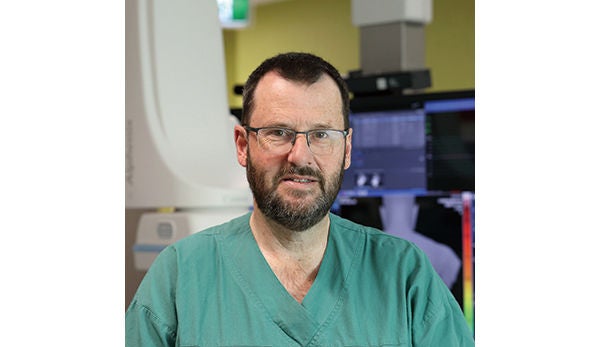
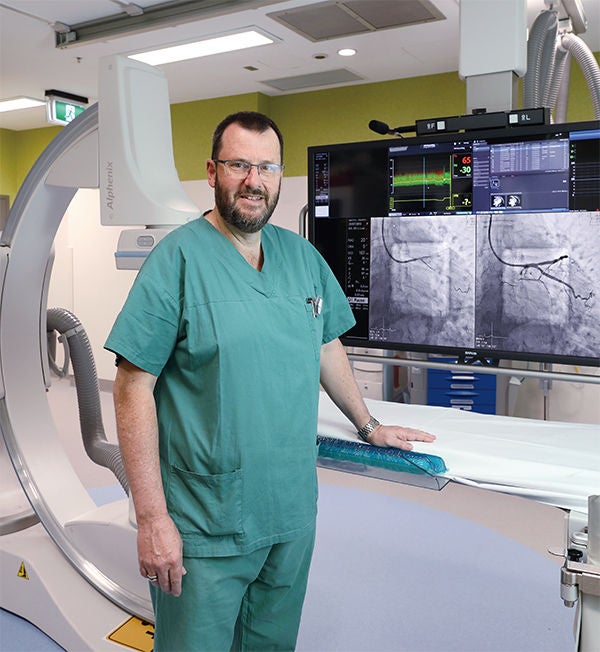 Prof.Christopher Zeitz / Director of Cardiology / The Queen Elizabeth Hospital (Central Adelaide Local Health Network) He has more than 25 years' experience as an interventional cardiologist, and his special interests include acute coronary syndrome and coronary vasodynamic reactivity.
The number of patients presenting with cardiovascular or ischemic heart disease has drastically increased over the years, and with it, so has the demand for cardiac catheterization labs to perform complex procedures on high-risk individuals. For our team at The Queen Elizabeth Hospital (TQEH), the most significant challenges posed, are those by Australia’s aging population, an ever-increasing range of co-morbidities, and an overall rise in patient BMI.
Clinical excellence requires constant evolution
To address these issues head-on, we chose to focus our strategic efforts on sourcing a solution that would enable our team to achieve optimal diagnostic imaging to treat a range of complex cardiac pathologies – particularly in the acute setting. Having previously invested $4 million in the re-development of our cardiac services, it was essential that this solution could quickly adapt and future-proof our clinical efficacy as the market evolves.
After much discussion, it was decided that the Alphenix Core + by Canon Medical was the ideal choice. We had already been using the Infinix-i for several years, but now it was time to invest in an upgrade that would successfully service this complex set of patient needs.
A triumph from the start
Since opening the new cardiac catheterisation lab, the Alphenix Core + has exceeded all expectations. Firstly, we have seen incredible image quality thanks to Canon Medical’s Illuvis Image Processing Technology, which reduces frames from 15 per second to 10. We have also been able to reduce dose by up to 85% with built-in Spot ROI technology.
Secondly, when performing PCI procedures with stents, the new Alphenix Stent Mode protocols enables extra enhancement with dynamic acquisitions, as well as providing real-time visualization without any artefacts from balloon markers during instant replay.
Secondly, when performing PCI procedures with stents, the new Alphenix Stent Mode protocols enables extra enhancement with dynamic acquisitions, as well as providing real-time visualization without any artefacts from balloon markers during instant replay.
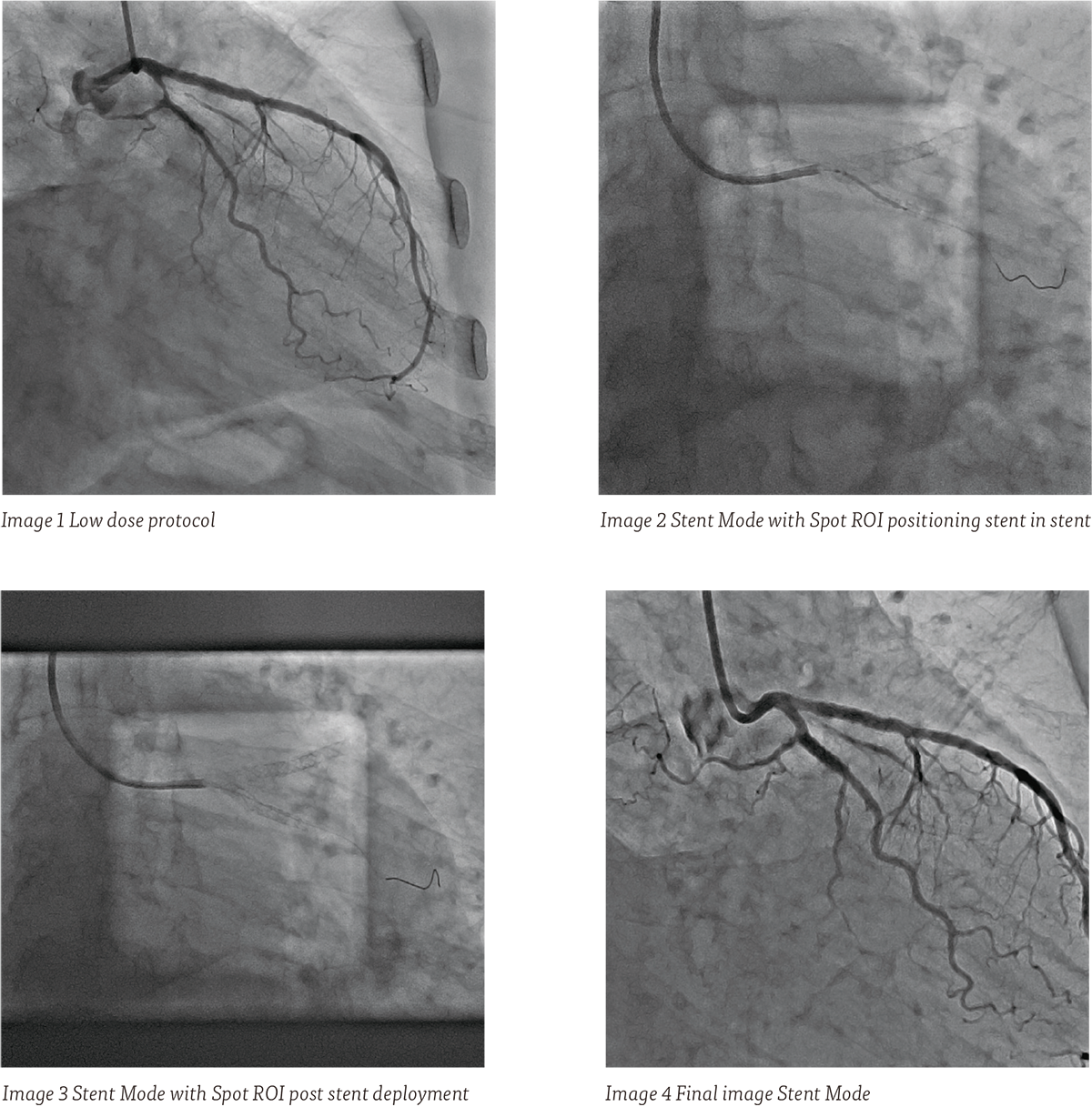
“We have also been able to reduce dose by up to 85% with built-in Spot ROI technology.”
Prof.Christopher Zeitz
Director of Cardiology
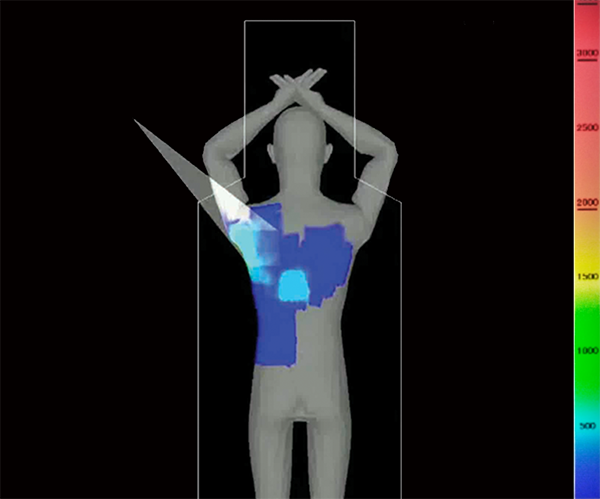 Dose Tracking System
Finally, advanced Dose Tracking System (DTS) software provides comprehensive awareness of the local dose being administered at the point of treatment, as well as instant feedback and repositioning options to lower the chance of radiation-induced injury.
Improved operations across the board
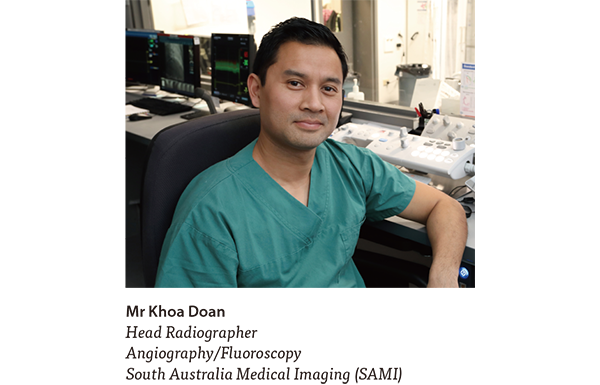
Mr. Khoa Doan, Head Medical Radiology Technician, describes from an operational perspective, the Alphenix Core + has delivered a number of workflow, accessibility and IT benefits for our entire team, including:
1.Improved ergonomics and patient accessibility
The system’s table movements allow for head up/head down lateral tilt and table rotation for improved flexibility during anaesthetic cases. The table has a weight limit of 250 kg to accommodate bariatric patients, and the flexible positioning of the c-arm allows for complete and unrestricted access to the patient’s head. In addition, head-to-toe and fingertip-to-fingertip coverage means staff no longer have to move or reposition patients during complex procedures with anaesthetic support.
2.Seamless integration with other modalities
With the help of Canon Medical’s skilled engineers, integration of OCT, IVUS and other third-party products have been seamless. All systems have been fully integrated and can present required data on the large display at the touch of a button. Layouts and inputs can also be changed mid-procedure without having to stop work.
3.Enhanced workflows
Our team of radiographers have been very impressed with the new tablet and its ability to simplify workflow. Buttons can be clearly labelled and customized to your needs, and clinical radiology technicians who have not used the machine for several weeks can quickly re-familiarize themselves with the system. Furthermore, the intuitively placed auto-angle buttons allow operators to select the ideal angle for any patient during any procedure.
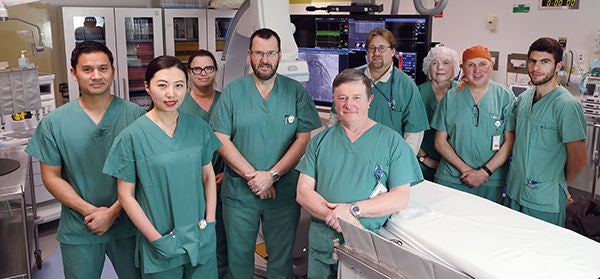 The Queen Elizabeth Hospital Cardiac Team / TQEH is a 311-bed acute care teaching hospital that provides inpatient, outpatient, emergency, and mental health services to a population of more than 250,000 in Adelaide, South Australia. It is supported by 24 cardiologists, including 12 interventional specialists.
Prof. Zeitz concludes
Overall, we feel that we have made the right choice with a flexible and versatile system that provides the required tools to conduct expert interventional procedures. With its increased image quality and low dose parameters, we are confident that we can deliver the very best care to our patients now and long into the future.//
Social Media


